
We write policy papers, share knowledge and information to strengthen understanding of land and natural resource issues, customary land tenure systems, and collective conservation and use systems.
The Aim – The aim is to effectively use knowledge and information to make positive changes to strengthen land tenure by those who work on customary land, collectively maintained land.
The process involves widely publicizing and sharing the community land use rights, the land use rights of different interest groups, the systems and procedures adopted by local people.
We identify land use systems adopted by local communities and conduct documentation with project implementation activities that strengthen land tenure. In doing so, we advocate for the legal adoption and protection of land use systems, including land use systems, collective land use and mangrove conservation and management.
We work together to write policy publications with the participation of locals and indigenous peoples on challenges in the management and use of land by women and land rights, indigenous land rights, and community mangroves found in project implementation activities. The findings are then published in policy papers and legal reviews with the participation of residents, local paralegal, and project officials. The objectives are to inform, assist and use civil society organizations, stakeholders, parliamentarians, and government officials, and those involved in land and law-making.
We write the findings from our land-related project implementation activities and collaborations with partners into legal analysis papers and policy papers. These policy papers and legal analysis documents are held and shared using the online platform and workshops. In addition, the findings are shared and discussed with relevant government and parliamentary affairs committees.
Locals and indigenous peoples have faced challenges in preserving their customary lands, mangroves, communal lands, and natural resources due to the laws related to land enacted with the 2010 reform. On the other hand, the local people are using those lands, but they do not keep proper records and use methods. We work with progressive officials and locals to document the use of land, mangroves, natural resources, and collective conservation land used by residents in the implementation of projects. We work to document the collective conservation of local communities and to promote evidence-based systems of customary systems, mangroves, and natural resources. In addition, policy documents are shared with civil society organizations, residents, stakeholders, representatives of parliament and relevant government officials through workshops to raise awareness.
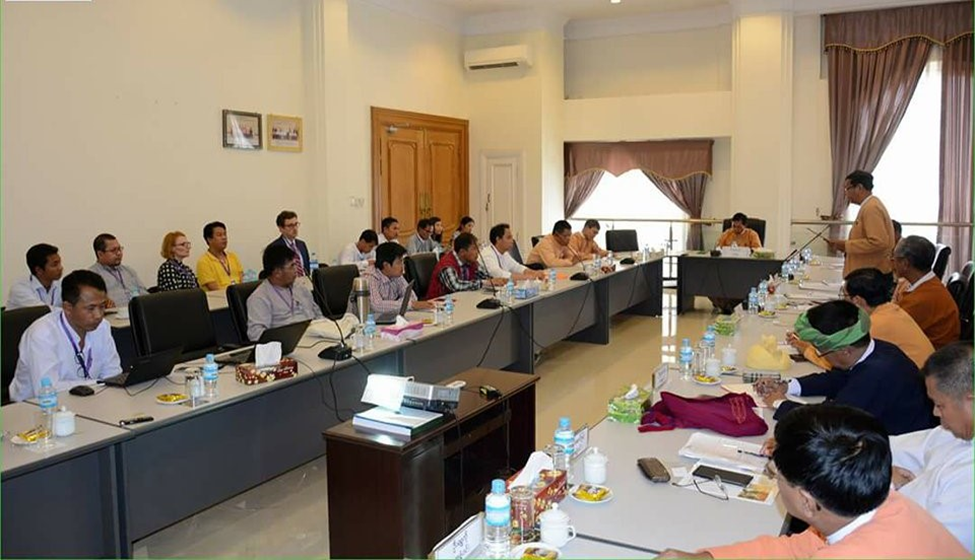
Due to various systems and complex laws, land use and ownership rights in Myanmar face difficulties and challenges for local people and indigenous peoples. Stakeholders were not allowed to participate in the drafting of laws related to land. Locals, indigenous peoples, and women were rarely included in the land management systems. Due to these conditions, the loss of local land ownership rights, management rights, and conservation rights causes various difficulties in protecting local land ownership rights and environmental damage. GPI has been a member of the national land drafting and harmonization committee covering complex laws and has advocated for greater representation of local people, indigenous peoples, farmers, stakeholders, and women. Due to the ability to do so, a small (7) working group including representatives of relevant women’s groups, indigenous, stakeholders, residents, farmers, and representatives from social organizations was formed and was able to strengthen cooperation and incorporate the sectoral needs in the drafting of the national land law.